Reading a Lab Report with AI Is Not the Same as Making It Usable
AI can read lab reports—but can it make them clinically usable at scale?
Why connecting clinical, hormonal, and real-world data is key to meaningful innovation in women’s health.

.jpg)
The Persistent Data Gap in Women’s Health
Although women make up half of the global population, much of modern medical research and clinical infrastructure has historically been built on data models that do not fully reflect female physiology. Women’s health has often been studied in narrower contexts such as pregnancy or reproductive disorders, rather than as a continuous, lifelong health journey shaped by hormonal, metabolic, and psychosocial changes.
In recent years, FemTech has begun to address this imbalance by placing women’s lived experiences at the center of digital health innovation. Millions of women now use applications to track menstrual cycles, fertility signals, symptoms, mood patterns, and lifestyle factors. At the same time, clinical systems continue to generate laboratory results, imaging reports, and specialist assessments that are highly relevant to women’s health.
However, most of this data remains fragmented. Information about menstrual cycles may sit in a mobile app, blood test results in laboratory portals, ultrasound findings in hospital systems, and symptom tracking in separate wellness platforms. These datasets are rarely connected in a way that allows clinicians, researchers, or technology teams to see a coherent, longitudinal picture.
For women’s health in particular, this lack of integration limits both care and innovation.
Why Longitudinal Context Is Especially Important in Women’s Health
Female physiology is dynamic and cyclical. Hormone levels fluctuate across the menstrual cycle, change during pregnancy and postpartum recovery, and shift again through perimenopause and menopause. Symptoms often develop gradually and appear as patterns over time rather than as isolated abnormalities.
This means that meaningful insight requires more than single data points. It depends on understanding how different data types interact across time, life stage, and biological context.
From a FemTech perspective, several categories of data are particularly relevant when building solutions that aim to reflect the complexity of women’s health.
Menstrual and Reproductive Health Data
Menstrual cycle data is one of the most widely collected forms of women’s health information in digital platforms, yet it is rarely integrated into formal clinical records.
Relevant data points often include cycle length and variability, bleeding duration and intensity, ovulation indicators such as basal body temperature or luteinizing hormone surge tests, and symptoms associated with premenstrual syndrome or premenstrual dysphoric disorder. For women who are trying to conceive or undergoing fertility treatment, additional data around stimulation cycles, embryo transfers, and outcomes may also be tracked.
This information is clinically meaningful. Cycle irregularities can be associated with conditions such as polycystic ovary syndrome, thyroid dysfunction, metabolic disorders, or chronic stress. Over time, menstrual patterns may also provide early signals related to perimenopause or broader hormonal shifts. When this data remains disconnected from laboratory and clinical information, its potential value is significantly reduced.
Hormonal and Blood Biomarker Data
Hormonal and metabolic biomarkers are central to understanding many aspects of women’s health, but their interpretation depends heavily on context. A hormone level that is considered normal at one point in the cycle or life stage may be abnormal in another.
Reproductive hormones such as estradiol, progesterone, luteinizing hormone, follicle-stimulating hormone, and anti-Müllerian hormone are frequently measured in fertility, menstrual health, and menopause-related care. Thyroid markers, including TSH and free thyroid hormones, are also particularly relevant given the higher prevalence of thyroid disorders in women.
Metabolic and cardiovascular markers such as glucose, insulin, lipid profiles, and inflammatory markers like C-reactive protein are increasingly important as awareness grows around women’s cardiometabolic risk, especially after menopause. Nutritional markers including ferritin, vitamin D, B12, and folate are also commonly implicated in fatigue, mood changes, and overall wellbeing.
Without integration with menstrual phase, contraceptive use, pregnancy status, or menopause stage, these biomarkers can be difficult to interpret accurately. FemTech platforms that aim to deliver meaningful insight must therefore consider not only which biomarkers are relevant, but also how they are contextualized within a woman’s broader physiological timeline.
Symptom, Mood, and Wellness Data
A large portion of early signals in women’s health appears not in laboratory values but in lived experience. Women often report changes in mood, energy, sleep, pain, or cognition long before a clear diagnosis is made.
Longitudinal tracking of emotional patterns, anxiety or depressive symptoms, sleep quality, fatigue levels, pelvic or musculoskeletal pain, migraines, digestive symptoms, libido, and perceived stress can provide valuable clues. These patterns are particularly relevant in conditions such as endometriosis, PCOS, autoimmune disorders, thyroid disease, and perimenopause, where symptoms may fluctuate and overlap across systems.
From a research and product development perspective, this type of data can help bridge the gap between subjective experience and objective measurement, especially when it is linked with clinical and laboratory information over time.
Imaging and Unstructured Clinical Reports
In addition to structured data, a significant portion of women’s health information exists in unstructured formats. Ultrasound reports for ovarian and uterine imaging, mammography and breast imaging results, Pap smear and pathology reports, fertility clinic summaries, and specialist letters are frequently stored as PDFs or scanned documents.
These documents often contain critical details but are difficult to use for analytics or AI-driven insights unless they are transformed into structured, standardized data. For FemTech companies seeking to incorporate clinical context into their platforms, the ability to process and harmonize unstructured reports is an important part of building a complete picture.
From Data Collection to Data Integration
Many FemTech platforms already excel at collecting high-quality, real-world data from users. At the same time, healthcare systems continue to generate detailed clinical records. The core challenge is no longer simply gathering more information, but making existing data interoperable, harmonized, and usable across systems.
This involves aligning different terminologies, standardizing units of measurement, structuring unstructured reports, and linking datasets that were never originally designed to work together. Without this foundation, even the most advanced analytics or AI models will be limited by incomplete context.
Supporting the Data Infrastructure Behind Women’s Health Innovation
At Jonda Health, we work with digital health and FemTech teams to address this integration challenge. Our focus is on transforming fragmented clinical and real-world data into structured, interoperable datasets that can support analytics, research, and AI-driven applications.
This includes ingesting data from multiple formats such as laboratory files, PDFs, images, and interoperability standards, harmonizing biomarkers and medical terminologies, and preparing datasets so they can be meaningfully combined with app-based and patient-reported information.
By strengthening the data foundation, FemTech innovators can move beyond isolated tracking features and toward a more comprehensive understanding of women’s health across life stages.
A More Connected Future for Women’s Health
Women do not experience health as a series of disconnected events. Their physiology evolves through adolescence, reproductive years, pregnancy and postpartum recovery, perimenopause, menopause, and later-life metabolic and cardiovascular changes.
To reflect this reality, digital health solutions must be built on longitudinal, integrated datasets that capture both clinical and lived experience over time. FemTech is uniquely positioned to lead this shift, provided the underlying data infrastructure is capable of supporting it.
Teams working in menstrual health, fertility, hormone health, menopause, or women’s metabolic and mental health are increasingly recognizing the importance of this integration. For those exploring how to connect clinical and real-world data in a scalable, interoperable way, collaboration around data foundations is becoming a central part of innovation.
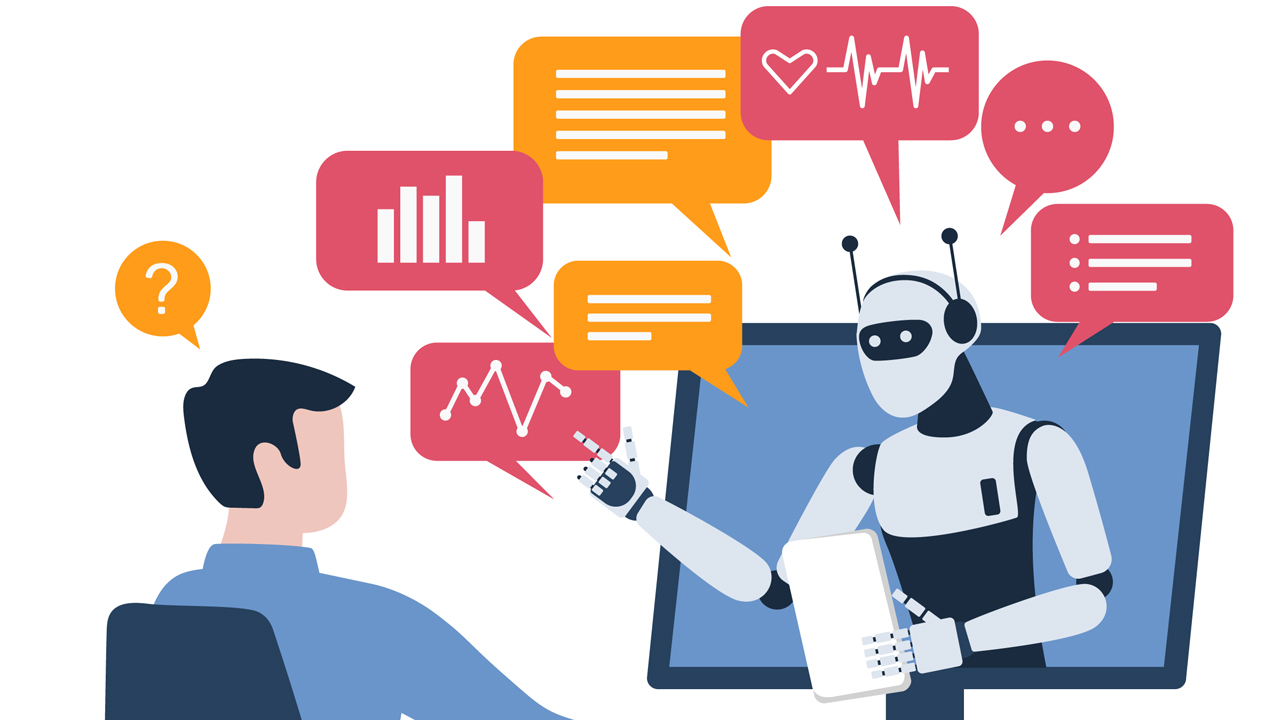
AI can read lab reports—but can it make them clinically usable at scale?
Jonda Health Pte. Ltd.
1 NORTH BRIDGE ROAD
#19-09 HIGH STREET CENTRE
SINGAPORE (179094)
.png)